Articles ·
Borosilicate, soda-lime or tempered glass: what you are really buying
Three kinds of glass look the same in a food container. They do not behave the same with heat or a knock. How to tell them apart, and our rule.
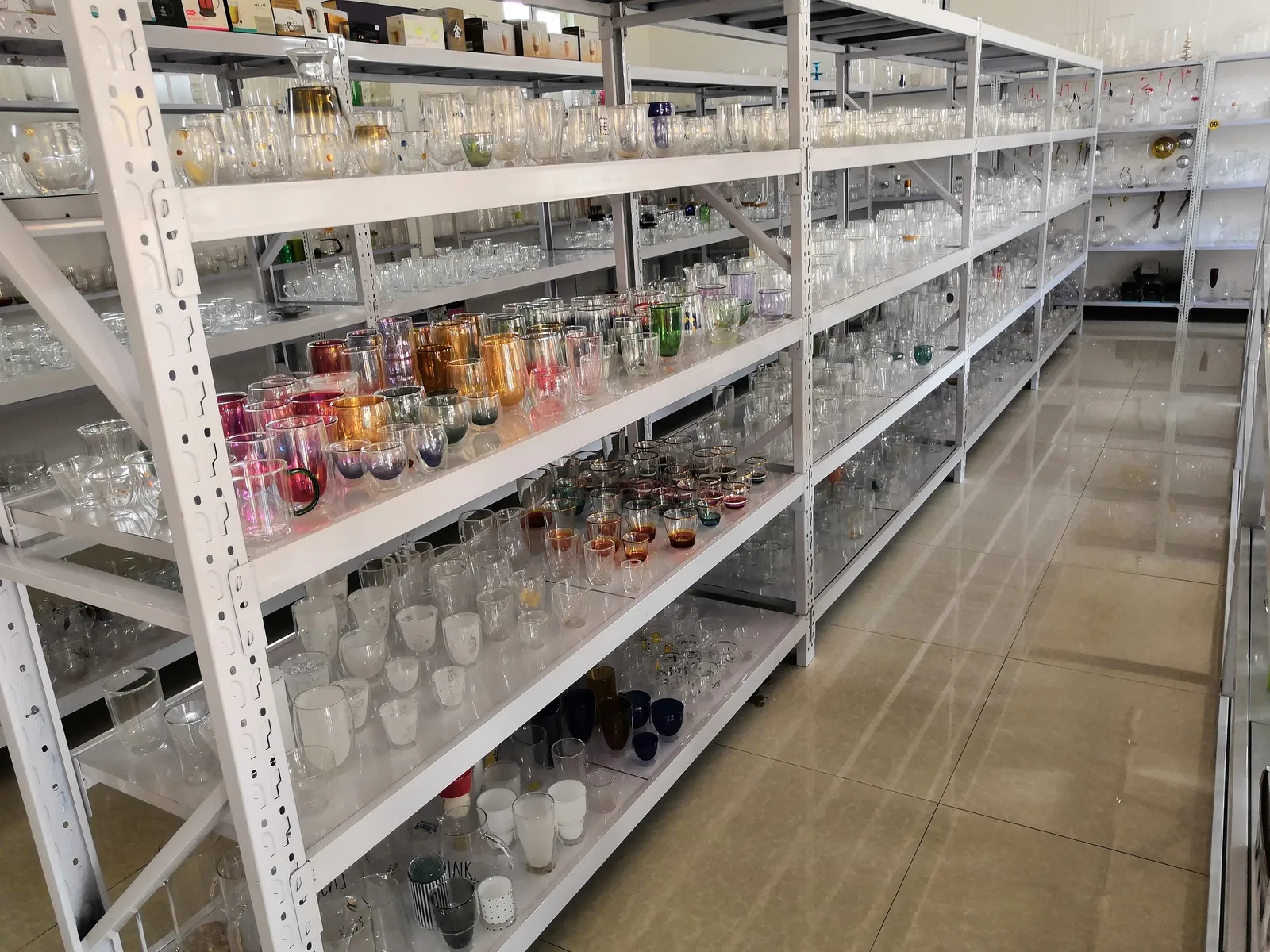
Glass food containers, jars and lids are made from three kinds of glass: borosilicate, soda-lime, and tempered (usually tempered soda-lime). On a shelf they look the same. In a kitchen they do not behave the same, and the difference shows up exactly where it hurts: going from the fridge into the oven, hot water on a cold jar, a knock on the edge of the sink.
That is why our company has one rule we do not bend:
Borosilicate is borosilicate. Soda-lime is soda-lime. Tempered is tempered. We never mix them, even where the eye cannot tell them apart.
Here is what each glass is, why mixing them is dangerous, and how a buyer can check what they are getting.
The three kinds of glass at a glance
| Borosilicate | Soda-lime | Tempered (soda-lime) | |
|---|---|---|---|
| What it is | Glass with boron oxide added | The everyday glass of bottles and tumblers | Soda-lime glass heated and cooled fast to lock in stress |
| Sudden heat or cold | Best: expands about a third as much as soda-lime | Weakest: cracks when hot meets cold | Better than plain soda-lime |
| A knock or a drop | Breaks like ordinary glass | Breaks like ordinary glass | Strongest against knocks |
| When it breaks | Cracks into larger pieces | Cracks into larger pieces | Bursts at once into many small pieces |
| Typical use | Oven and microwave dishes, food containers, jars | Jars and containers that never meet sudden heat | Lids, cutting boards, some containers |
| Price | Highest | Lowest | In between |
Borosilicate
- What it is
- Glass with boron oxide added
- Sudden heat or cold
- Best: expands about a third as much as soda-lime
- A knock or a drop
- Breaks like ordinary glass
- When it breaks
- Cracks into larger pieces
- Typical use
- Oven and microwave dishes, food containers, jars
- Price
- Highest
Soda-lime
- What it is
- The everyday glass of bottles and tumblers
- Sudden heat or cold
- Weakest: cracks when hot meets cold
- A knock or a drop
- Breaks like ordinary glass
- When it breaks
- Cracks into larger pieces
- Typical use
- Jars and containers that never meet sudden heat
- Price
- Lowest
Tempered (soda-lime)
- What it is
- Soda-lime glass heated and cooled fast to lock in stress
- Sudden heat or cold
- Better than plain soda-lime
- A knock or a drop
- Strongest against knocks
- When it breaks
- Bursts at once into many small pieces
- Typical use
- Lids, cutting boards, some containers
- Price
- In between
Why soda-lime glass cracks with heat
All glass grows a little when it warms up. If one part of a dish is hot and another part is cold, the hot part pushes against the cold part. Soda-lime glass expands roughly three times as much as borosilicate glass for the same rise in temperature, so the same situation builds about three times the stress. Plain soda-lime glass can crack with a temperature difference of only a few dozen degrees: boiling water poured into a cold jar is often enough.
Borosilicate glass (often called “borosilicate 3.3” after its expansion coefficient of about 3.3 millionths per degree) takes much larger swings. That is why it is the glass for oven and microwave dishes. It is not magic, though: even borosilicate can crack if a dish goes straight from the freezer into a very hot oven.
How tempered glass breaks, and why a chipped lid should be replaced
Tempering means heating glass and then cooling its surface very fast. The surface ends up squeezed and the inside pulled, like a spring held tight. This makes the glass much stronger against knocks, and it means that when it does break, it breaks into small, blunt pieces instead of long sharp shards. That is a safety feature.
But the stored stress has to go somewhere when the glass fails, and it goes all at once. Two things can set it off long after the glass was made:
- Damage to the surface. A chip on the rim or a deep scratch can be enough. The glass may be fine for weeks and then burst when it is next warmed, cooled or knocked.
- A tiny stone inside. Very rarely, a speck of nickel sulfide trapped in the glass slowly changes size over months or years and breaks the glass from within, with no warning.
This is why there are stories, again and again, of glass lids, oven doors and containers that “exploded” on their own. It is rare, it is a known property of tempered glass, and it is manageable: a tempered piece with a chipped edge should be replaced.
Why mixing them is the real danger
None of these glasses is bad. Each is right for its job. The danger is a container sold as one glass but made of another:
- A dish sold as borosilicate and “oven safe” that is really soda-lime can crack the first time it goes from the fridge into the oven.
- A container sold as tempered that is really plain annealed glass will not have the strength, or the safe way of breaking, that the buyer paid for.
- A brand that receives a mixed shipment carries the returns, the bad reviews and, at worst, a recall, and it cannot tell from the cartons which pieces are which.
Because the glasses look the same, a supplier who wants to cut costs can mix them and most people will never know until something breaks. That is exactly the temptation our rule exists to refuse.
How to check what you are buying
Looking at the glass will not tell you. These will:
- Get the material in writing. Ask your supplier to name the glass, borosilicate, soda-lime or tempered, on the quotation and the proforma invoice, not only in the chat.
- Ask for a food-contact test report that names the material. Reports to the German LFGB, widely used across Europe, and to the US FDA rules are standard for glass food containers.
- Ask for a thermal shock test if the product will be sold for the oven, the microwave or the freezer. Common methods are ISO 7459 for glass containers and EN 1183 for articles in contact with food.
- Check samples against bulk. The glass in the sample you approved should be the glass in the order.
What we tell end users, and what you can print on your packaging
- Do not move a glass dish straight from the freezer into a hot oven, or from the hot oven onto a cold, wet surface.
- Open the lid or the vent before heating food in the microwave: steam in a sealed box builds pressure.
- Do not use glass containers on a stovetop or under a grill unless the product says it may.
- Replace any glass piece with a chip or a crack, especially tempered lids and boards.
Our rule
We have designed glass kitchenware since 2003 and invest in the factories that make it: one presses borosilicate glass, one blows it, a third makes our tempered glass lids. Whatever a product is made of, that is what it is sold as.
Ask us which glass any of our products is made of, and we will tell you plainly and show you the test report we hold for it.